
The 15th Dongguan Agarwood Cultural Industry Expo and Liaobu Incense Market Intangible Heritage Festival Concludes Successfully
Dongguan, Guangdong, China, December 29, 2025– Shaoren Gou, Canada & World Report –As winter settled gently over Liaobu on December 26, four days of incense, light, music, and conversation began to weave themselves into a single, resonant experience. When the exhibition finally drew to a close, what remained was more than a trade event—it was a living tapestry in which the efficiency of commerce and the patience of cultural inheritance were carefully stitched together.
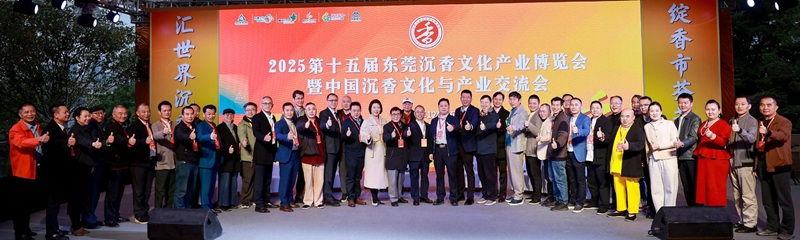
A commemorative group photo of leading figures from the agarwood industry.
The 15th Dongguan Agarwood Cultural Industry Expo and Liaobu Incense Market Intangible Cultural Heritage Festival (hereafter referred to as the Dongguan Agarwood Expo) concluded successfully in late December 2025. Organized through an innovative “2+2” format of dual main venues and dual satellite sites, the event unfolded across the China Agarwood Culture Museum and Tooth Sweet Street as its core stages, with Agarwood Expo Park and Xixi Ancient Village functioning as complementary cultural extensions. Together, these spaces formed a multi-layered ecosystem integrating trade, dialogue, and cultural experience.
Beyond Four Days: A Longer Timeline of Incense
Seen from a distance, the four-day exhibition is only a brief moment in a much longer historical arc. The incense market of Liaobu traces its origins back to the Song and Yuan dynasties, reaching prominence during the Ming and Qing periods through the trade of Aquilaria sinensis—Dongguan agarwood that once traveled by river and sea to distant markets.
The Dongguan Agarwood Expo itself, founded in 2010, has now reached its fifteenth edition. Over the past decade and a half, it has evolved from a regional industry gathering into a nationally recognized platform linking production zones, cultural heritage, and international markets. In this context, the 2025 edition was not merely an annual event but a clearly defined node connecting a thousand-year incense tradition with the realities of contemporary industry.
Looking ahead, the narrative naturally extends toward the next chapter: the 2026 Shenzhen International Buddhist Supplies and Agarwood Cultural Art Exhibition, signaling a broader stage for Dongguan agarwood to engage with global audiences.
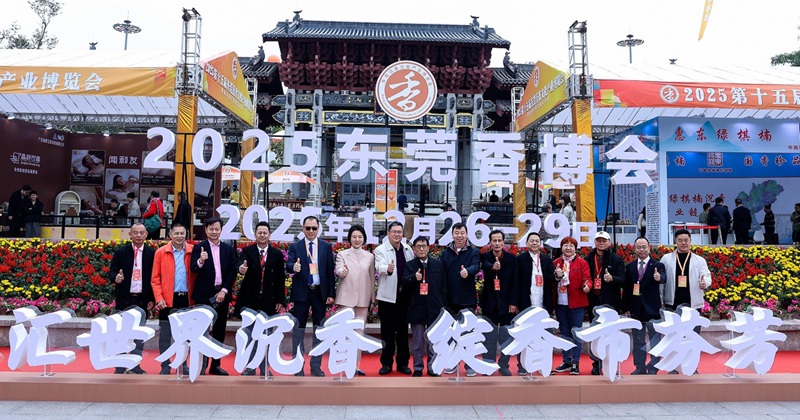
A group photo marking the occasion.
Where Museum and Temple Meet
Located beside Xianghui Temple, the China Agarwood Culture Museum became a symbolic anchor of the Expo. In the early mornings, temple bells resonated softly through mist, intertwining with the subtle fragrance of agarwood drifting from the museum halls. By nightfall, light filtered through the building’s perforated architecture—designed by Academician He Jingtang as a modern “incense box”—transforming the structure into a vessel of memory and time.
Within the museum, conversations moved fluidly between brands and orders, standards and traceability, certification and trust. Outside, the temple offered a contrasting rhythm: incense as ritual rather than commodity, as continuity rather than transaction. Many participants moved quietly between these spaces, embodying the Expo’s most telling image—the coexistence of market logic and spiritual heritage.
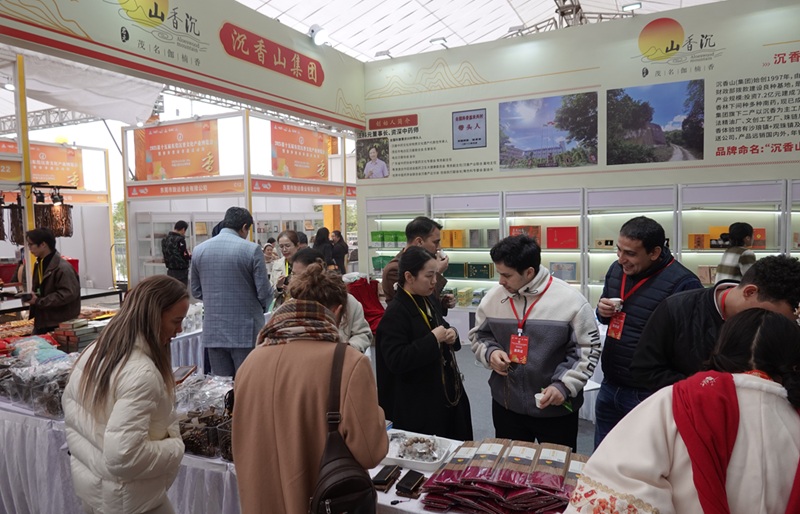
International guests purchasing products from Dianbai Agarwood Mountain Group.
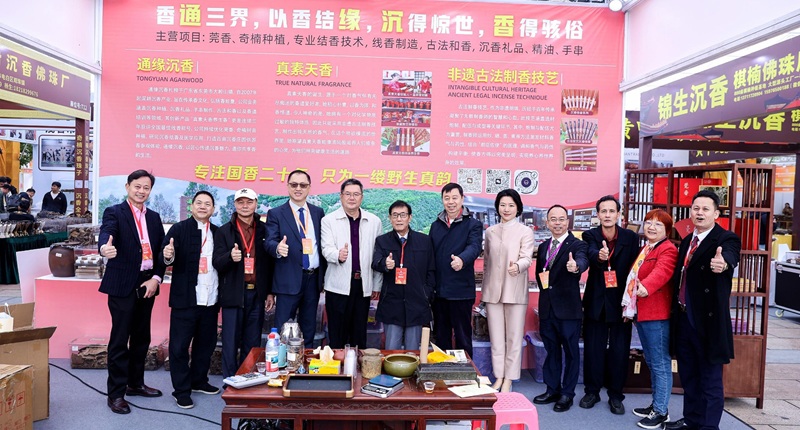
Guests touring the product showcase of Guangdong Xiangcheng Group Co., Ltd.
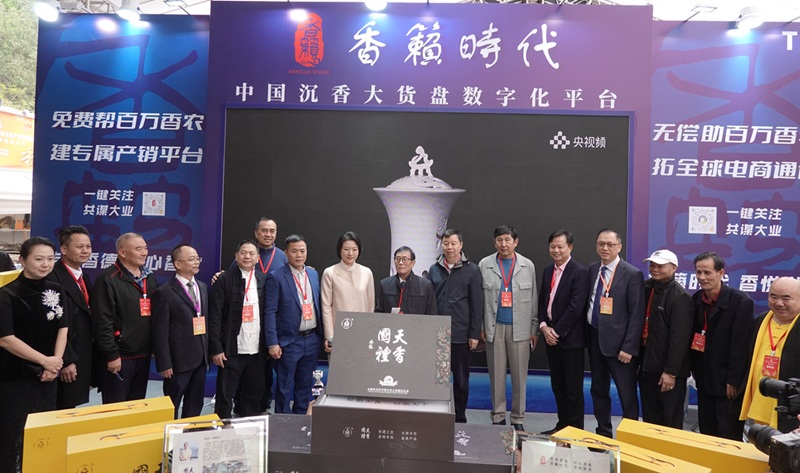
The “Xianglai Era · China Agarwood Bulk Trading Platform” Product Center, jointly initiated by Guangdong, Guangxi, and Hainan provinces.
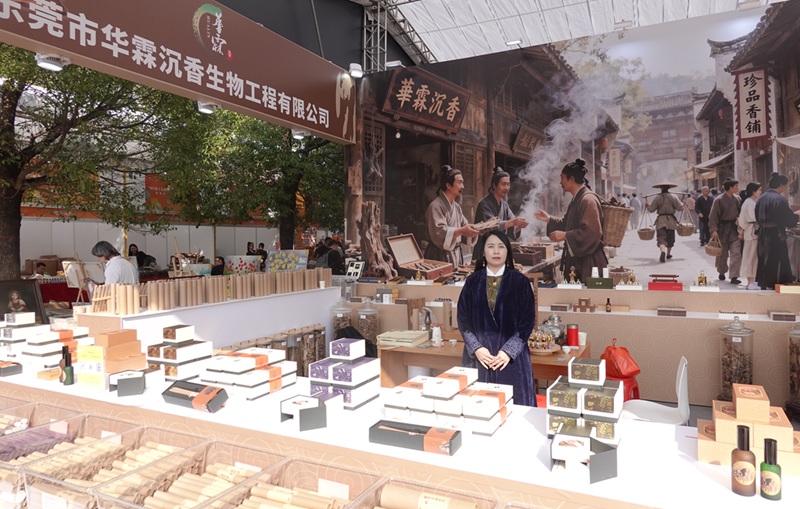
Hualin Agarwood, a local agarwood enterprise from Dongguan.
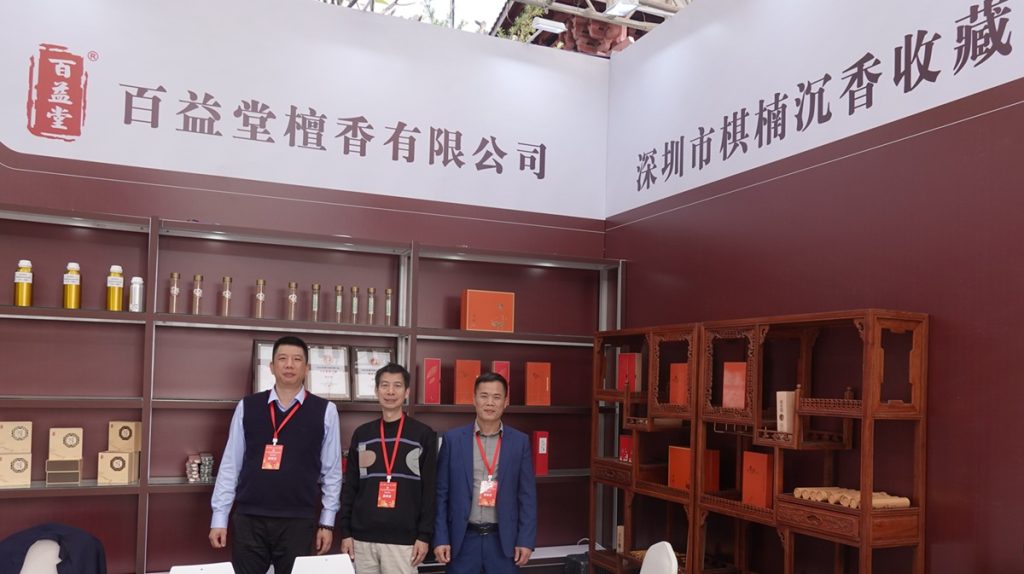
Shenzhen incense brands and Xiaogang Incense exhibiting jointly.
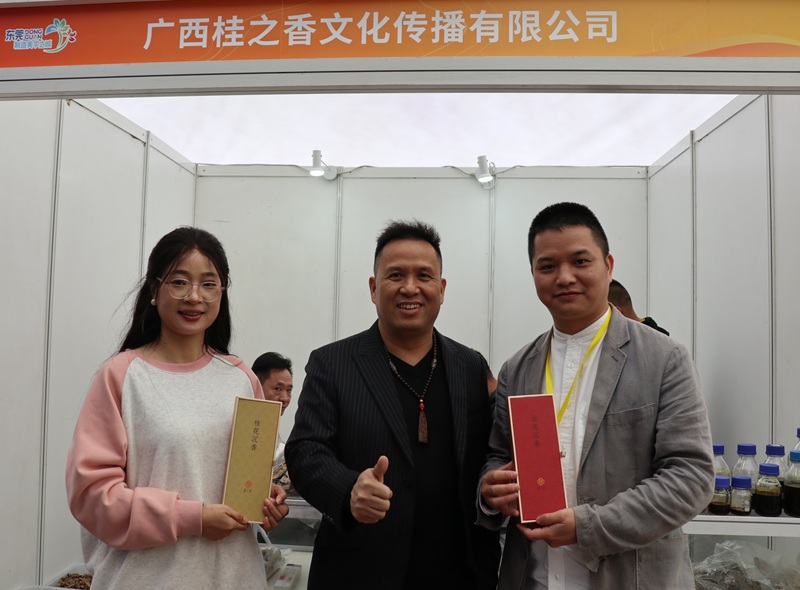
Guizhixiang agarwood products.
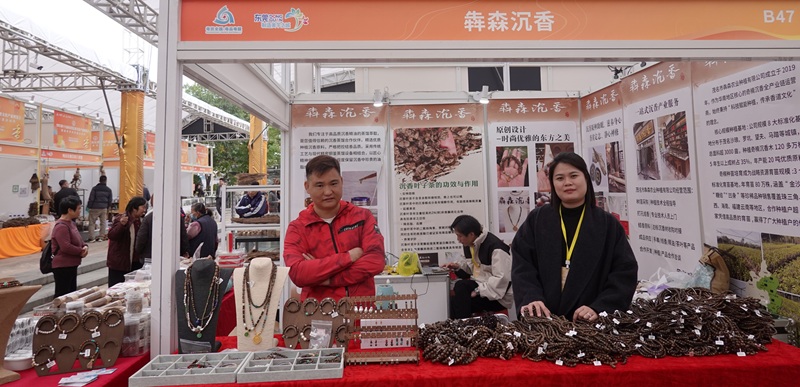
Bensen Agarwood, a Dianbai brand.
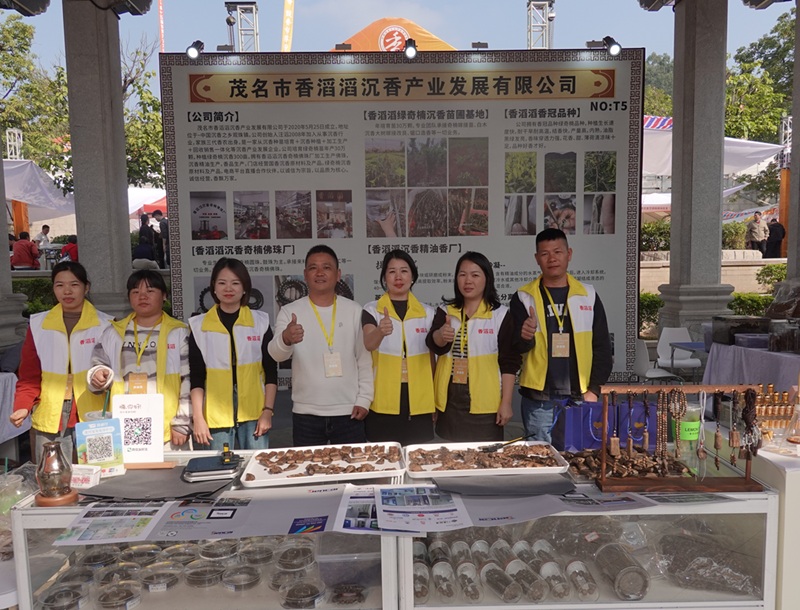
Xiang Taotao, a Dianbai agarwood brand.
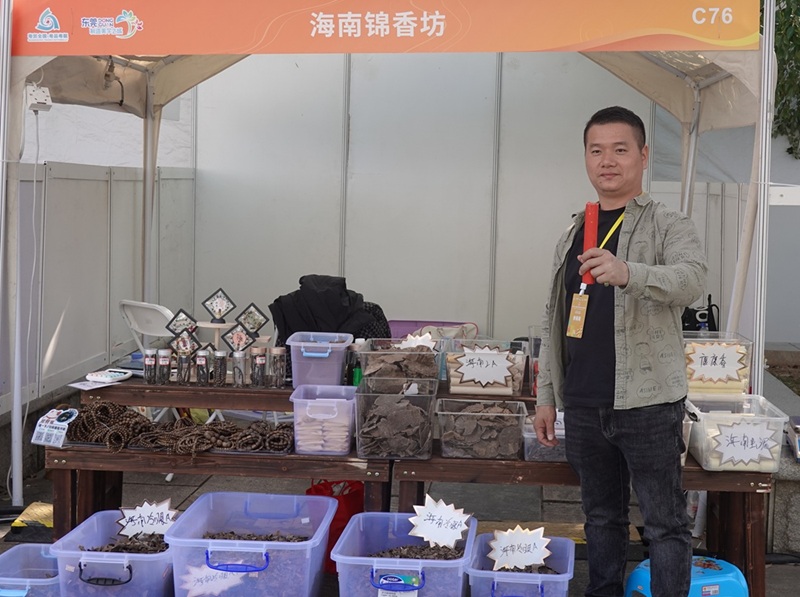
Hainan Jinxiangfang.
An Industry in Concert
The evening before the official opening, an Agarwood Experts and Association Presidents Welcome Dinner set the tone for the days ahead. In a relaxed setting, industry leaders exchanged updates, aligned expectations, and rebuilt trust. Cooperation, after all, often begins not at conference tables but through conversation and shared presence.
As the Expo progressed, the tempo quickened without becoming frenetic. Forums, product launches, and cultural salons overlapped with exhibition activities, forming what many described as an “industry concert.” Different voices played distinct roles: some clarified cultural lineage, others mapped trade routes, while still others translated standards, testing protocols, and digital platforms into operational frameworks.
Behind the scenes, organizers, coordinators, and volunteers ensured the seamless orchestration of international buyer receptions, forum transitions, heritage performances, and nighttime street management. Their invisible labor sustained the Expo’s coherence across multiple venues and narratives.
Writing Industry Issues into the Space
At the main stage of the China Agarwood Culture Museum, discussions progressed organically from cultural storytelling to industrial pathways. This was not a rigid schedule but a deliberate logic: understanding agarwood’s historical relationship with city and people before addressing how it might speak to global markets today.
Scholars examined agarwood as a cultural memory embedded in migration, trade networks, and everyday life. Industry veterans addressed the realities of overseas expansion, emphasizing that “going global” requires more than products—it demands familiarity with consumer habits, distribution channels, and trust mechanisms.
Government and regional representatives highlighted production zones as the foundation of long-term quality and standards, while digital platforms demonstrated how integration, testing, and traceability can transform trust from aspiration into infrastructure.
A roundtable discussion titled “Breaking Through, Integrating, and Going Global” brought together perspectives from cultural strategy, industrial organization, technology, and regional collaboration. Rather than competing viewpoints, the dialogue gradually converged into actionable consensus—pathways shaped by both tradition and innovation.

The roundtable forum, “Breaking Through, Integrating, and Going Global.”
Light, Memory, and Transmission
On the afternoon of December 27, cultural activities returned focus to memory and inheritance. A photography competition titled “Focusing on the ‘Hundred-Thousand-Million Project’: Light and Shadow in Liaobu” documented the incense city’s everyday moments—hands shaping incense, morning light on old streets, smoke rising at dusk—placing agarwood culture within a broader narrative of contemporary urban development.
This was followed by a non-heritage apprenticeship ceremony and the launch of A Stroll Through Memories of Dongguan Agarwood. The formal acknowledgment of master-disciple relationships affirmed that transmission is not symbolic but lived, requiring commitment, responsibility, and continuity. The book, meanwhile, preserved stories and details that might otherwise fade, offering future generations a tangible link to today’s incense world.
Culture, as the moment quietly reminded participants, survives only when it is actively passed on.
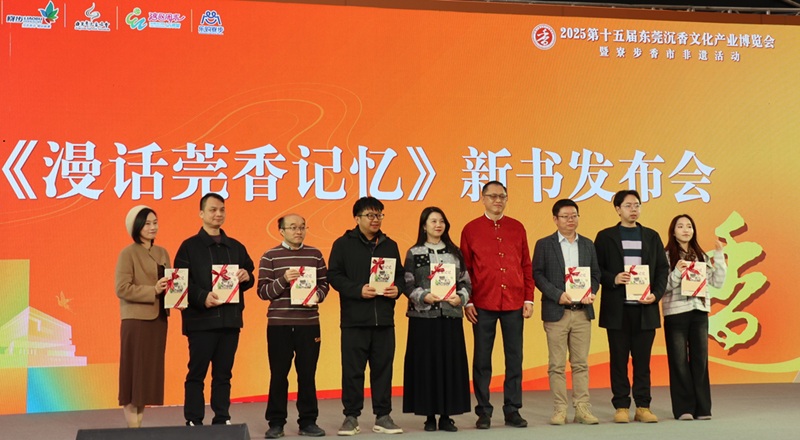
The launch of A Stroll Through Memories of Dongguan Agarwood, a journey into the city’s fragrant past.
Nightfall Without Cooling
As evening arrived, Yaxiang (Agarwood Incense) Street transformed into a sensory corridor of light and fragrance. Traditional music, heritage performances, and hands-on workshops animated the street, turning incense from an exhibit into an experience.
That same night, the Fourth Inauguration Ceremony of the Dongguan Agarwood Association took place. A dance drama, The Fragrance of a Daughter, artistically portrayed the journey of agarwood—from injury to resin formation, from harvesting to crafting—translating technical processes into emotional narrative. The ceremony continued with formal appointments, flag handover, toasts, and communal gatherings, reaffirming the Association’s founding mission since 2011: inheritance, integration, innovation, and shared growth.
Notably, a growing number of young visitors appeared throughout the Expo. Many were not industry insiders, yet they lingered at performances, queued for workshops, and remained long after events concluded. For them, agarwood was no longer distant or esoteric—it had become a medium connecting aesthetics, emotion, and lifestyle.
Yaxiang (Agarwood Incense) Street: Where Incense Comes to Rest
If the museum represented movement, Yaxiang (Agarwood Incense) Street embodied settlement. With stone pavements and Lingnan architecture, incense here was not a temporary installation but a daily presence behind open doors.
As a national-level intangible heritage street and a witness to Ming–Qing incense trade, Yaxiang (Agarwood Incense) Street came alive each night through cultural displays, immersive scent experiences, music gatherings, and interactive heritage activities. Long-established shops and their proprietors formed the street’s living backbone—not reenacting history, but allowing it to continue in contemporary form.
In this way, the street became less a tourist destination than a walkable industry chronicle—where fragrance, once again, entered daily life.
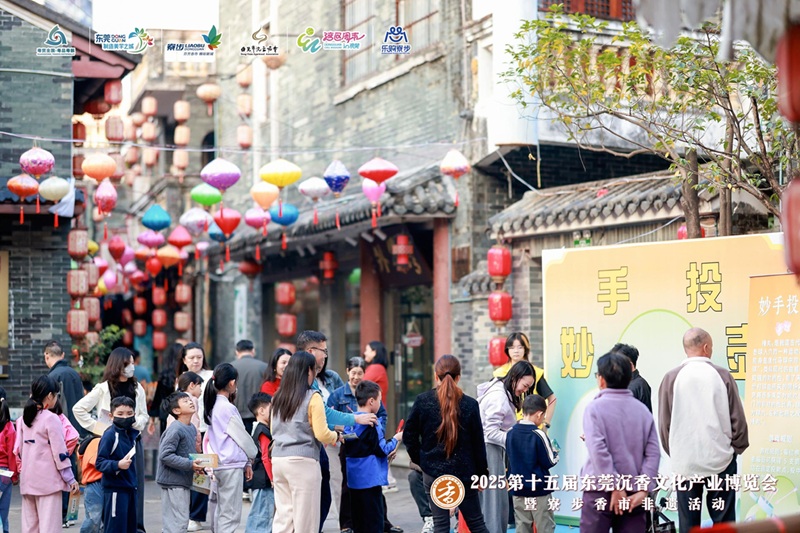
A glimpse of Yaxiang (Agarwood Incense) Street.
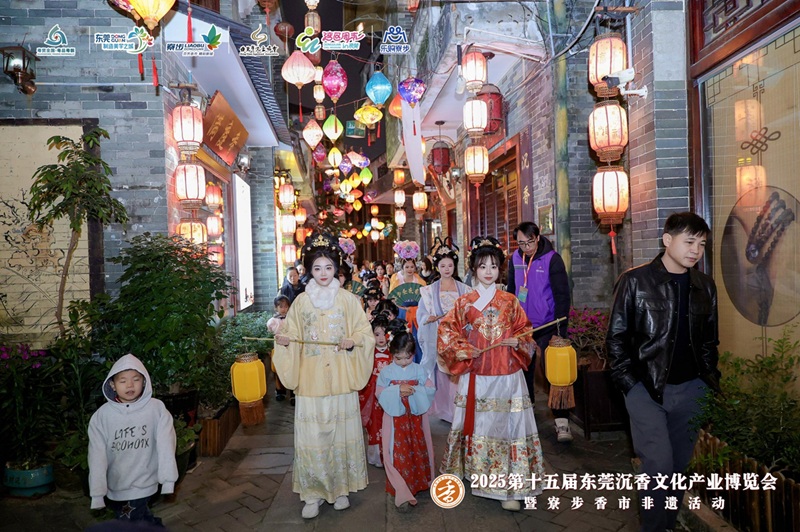
Yaxiang Street (Agarwood Incense) comes alive at night with a rich program of events.
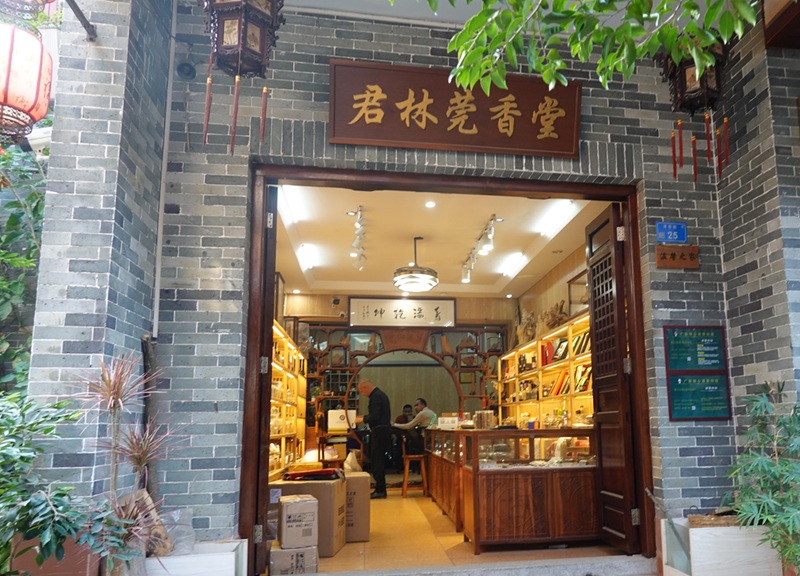
Junlin Guanxiang Hall
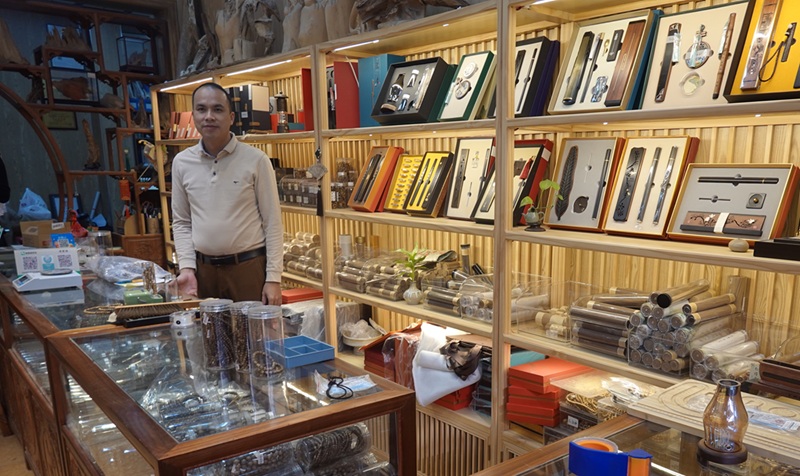
Wen Guolin
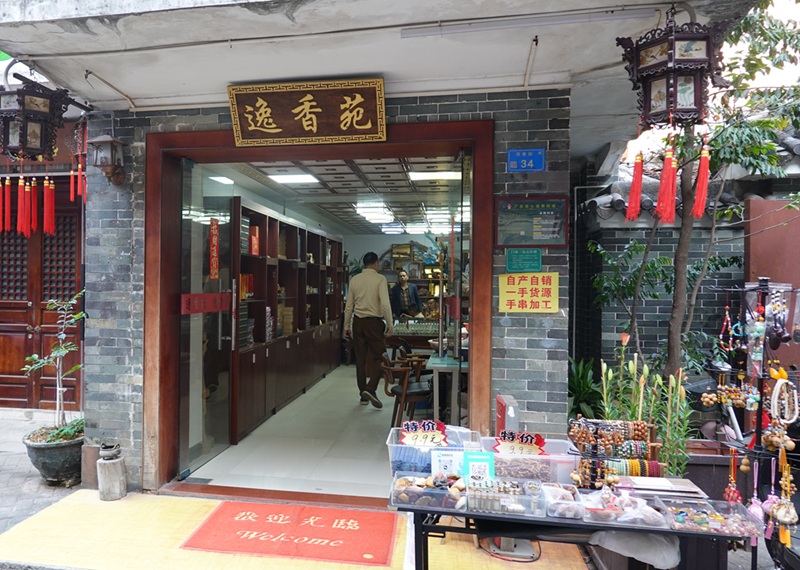
Yixiang Pavilion
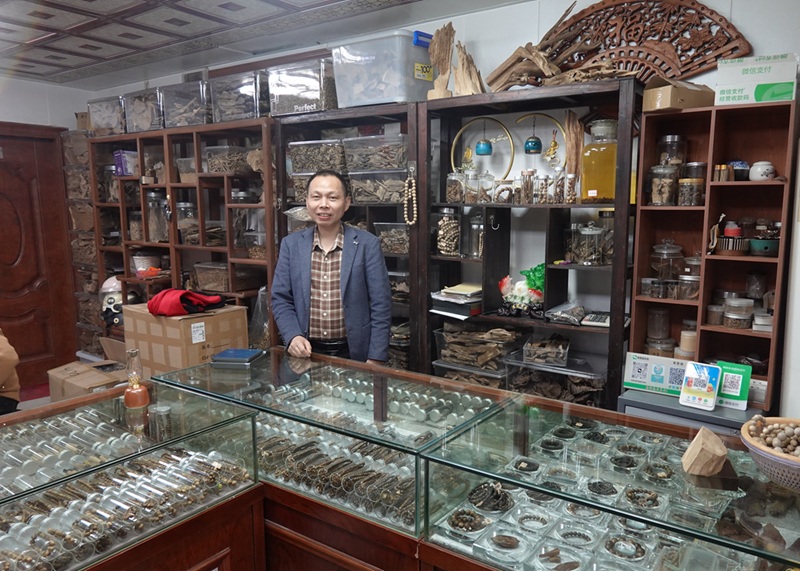
Wang Peichu
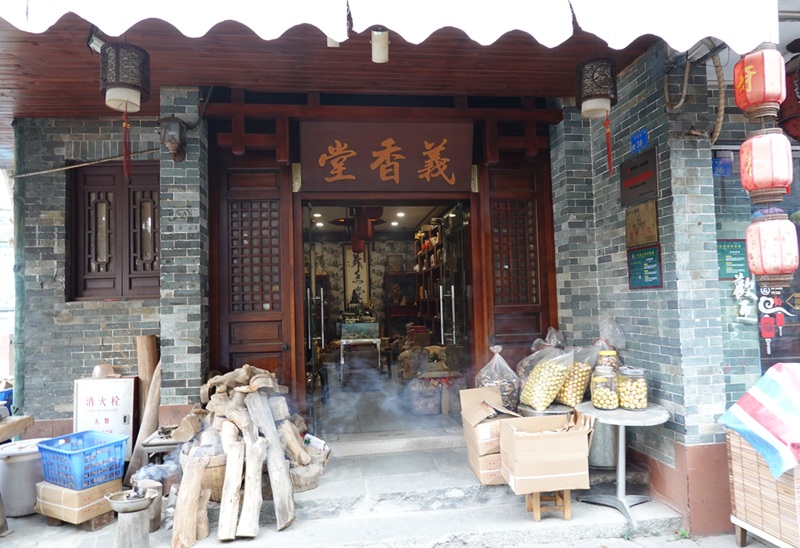
Yixiangtang Xiangpu
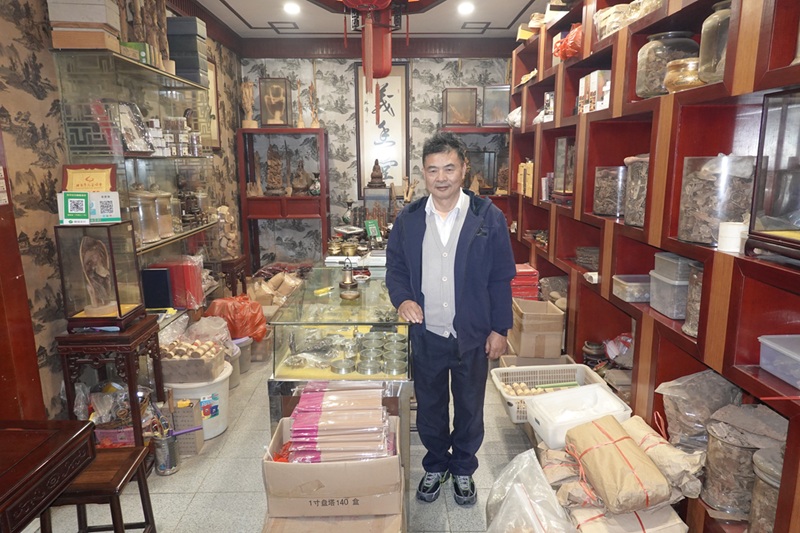
Han Xijin
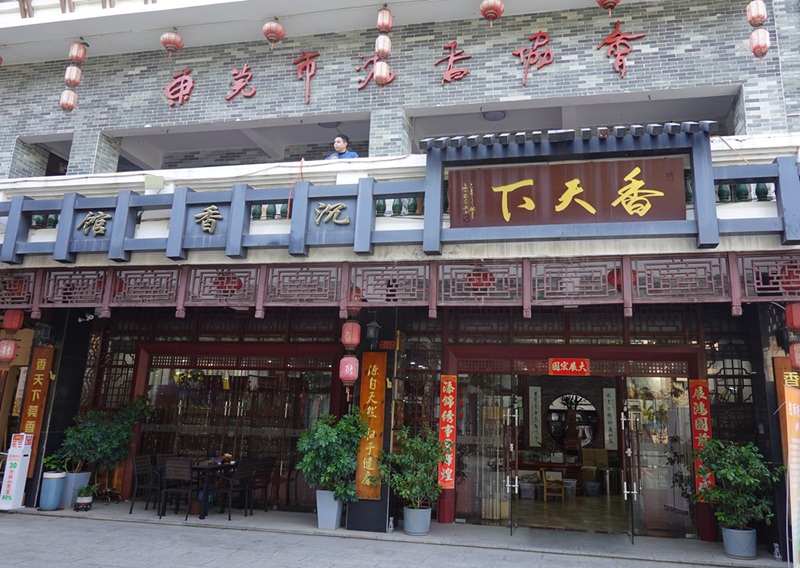
Fragrance Under Heaven
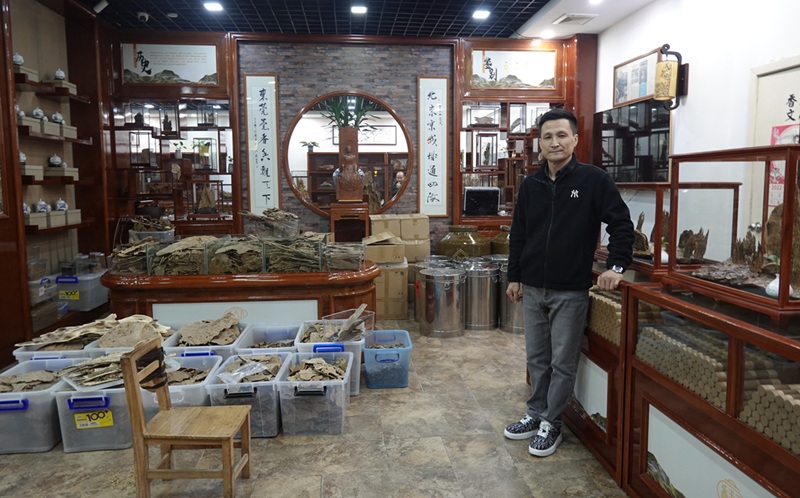
Yu Haibo
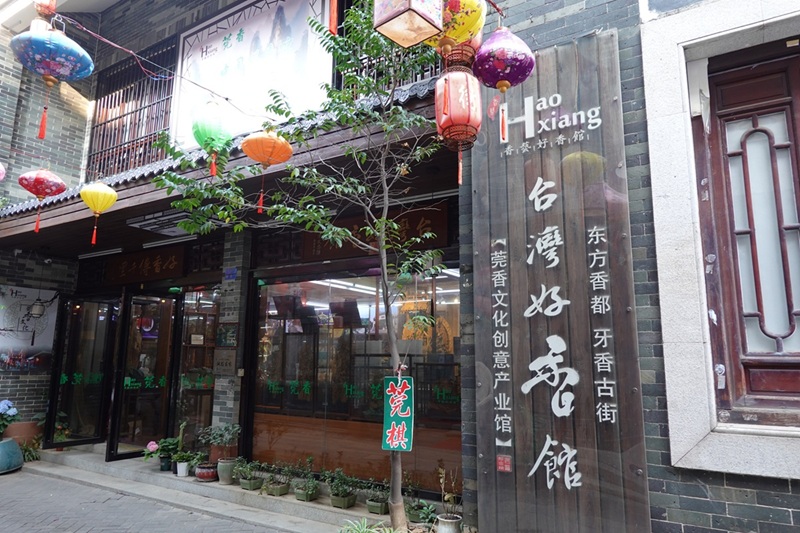
Taiwan Good Fragrance Pavilion
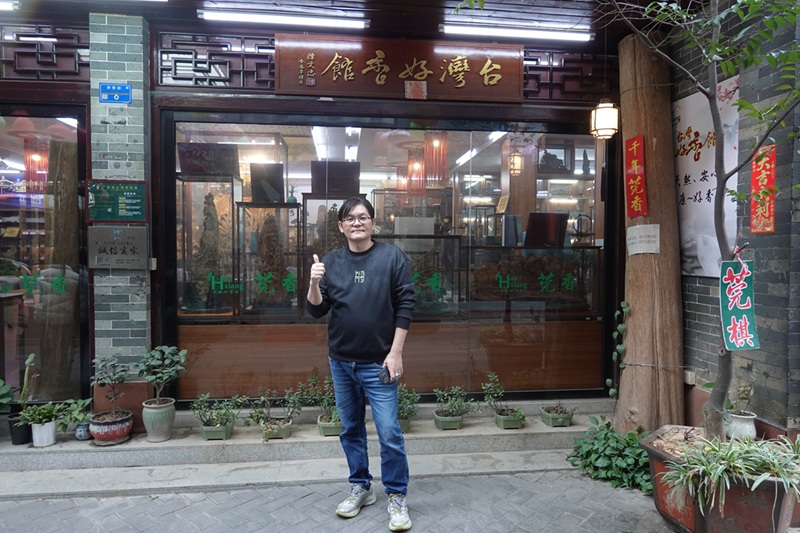
Tsai Yaocheng
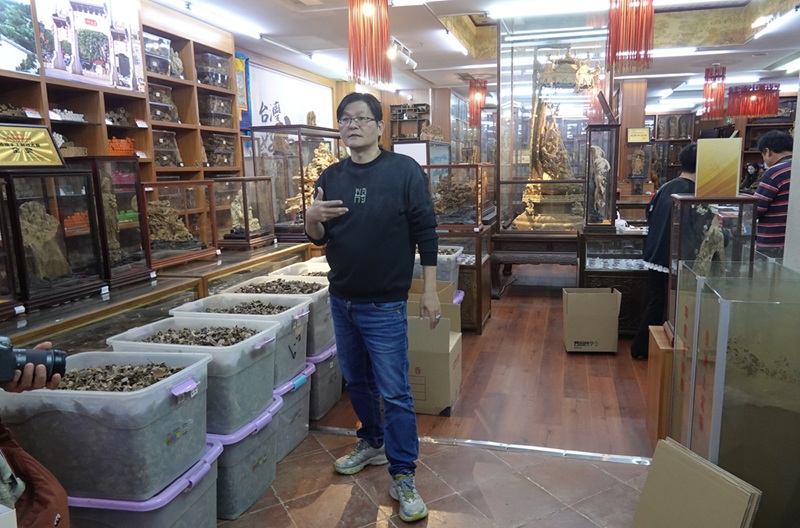
Taiwan Good Fragrance Pavilion is a cultural exemplar of Yaxiang Street in cross-strait exchanges.
From Dongguan to the World
One of the Expo’s key industry milestones was the Sixth National Agarwood Industry Association Presidents’ Joint Meeting, themed “Navigating the Seas Together, Sharing the World Through Fragrance.” Focused on overseas expansion, the meeting emphasized that global markets represent both opportunity and challenge, requiring collective action rather than isolated effort.
Discussions addressed market profiling, compliance, international conventions, and cooperative mechanisms. Alongside formal sessions, the Expo hosted new product launches, cultural ceremonies, and international exchanges—ensuring that “inheritance” was not an abstract slogan but a series of concrete actions.
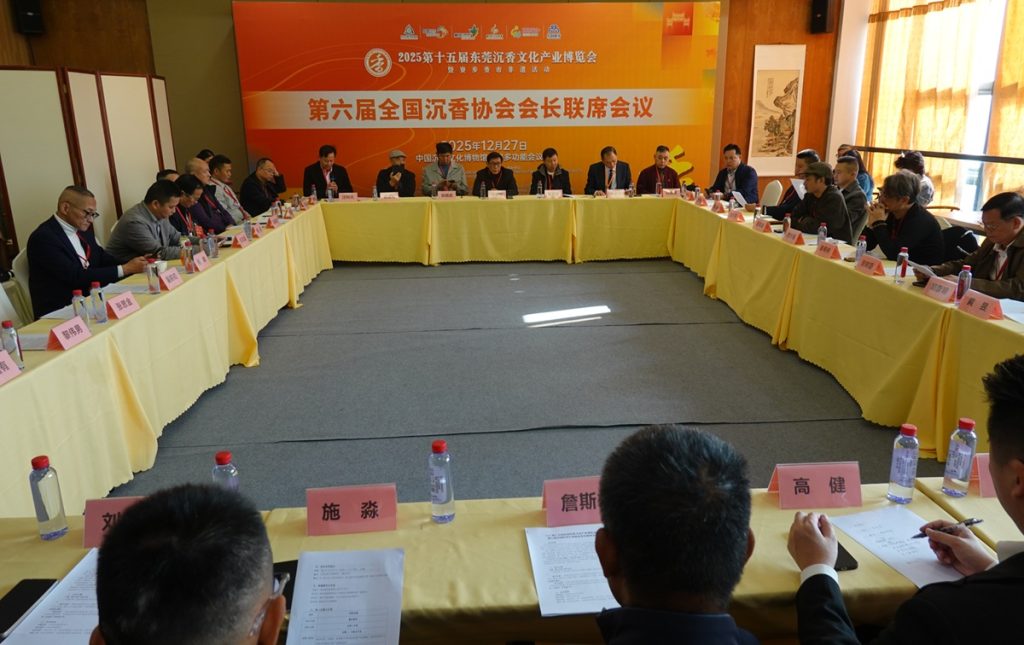
The Sixth National Joint Meeting of Agarwood Industry Association Presidents.
A Gentle Closing
As the final evening arrived on December 29, exhibition halls slowly emptied, yet Tooth Sweet Street remained illuminated. Participants packed contracts and samples alongside shared understandings: that standards are passports, culture is a sail, and cooperation is essential for any long voyage.
The incense burned low, but the journey did not end.
The next meeting point is already in view—Shenzhen—where agarwood will continue its dialogue with the world, carrying with it both the weight of history and the promise of renewal.
The following international media have reproduced this news story:
Key Media – 1:
Canada Media – 52
100 Mile Free Press
Abbotsford News
Agassiz Harrison Observer
Alberni Valley News
Aldergrove Star
Arrow Lakes News
Ashcroft Cache Creek Journal
Boundary Creek Times
Burns Lake Lakes District News
Caledonia Courier
Campbell River Mirror
Castlegar News
Chemainus Valley Courier
Clearwater Times
Cloverdale Reporter
Coast Mountain News
Comox Valley Record
Cowichan Valley Citizen
Cranbrook Townsman
Creston Valley Advance
Eagle Valley News
Eckville Echo
Goldstream Gazette
Grand Forks Gazette
Haida Gwaii Observer
Hope Standard
Houston Today
Kelowna Capital News
Keremeos Review
Kimberley Bulletin
Lacombe Express
Monday Magazine
North Thompson Star/Journal
Interior News
Vancouver Island Free Daily
Vernon Morning Star
Victoria News
Westerly News
West K News
Williams Lake Tribune
Yukon News
Maple Observer
Vancouver Chronicles
Toronto Daily Report
Ontario Sun
Montreal Breaking
Calgary Observer
Halifax Daily
Edmonton Observer
Ottawa Recorder
USA Mega Digital Local Media –141
ChineseWire
The Daily News
Magnolia State Live
The Orange Leader
Port Arthur News
Picayune Item
L’Observateur
The Panolian
Americus Times-Recorder
The Advocate-Messenger
American Press
The Daily Leader
The Oxford Eagle
Bluegrass Live
Claiborne Progress
Elizabethton Star
The Jessamine Journal
The Kenbridge Victoria Dispatch
The Clemmons Courier
Harlan Enterprise
Ironton Tribune
Davie County Enterprise Record
The State Journal
The Charlotte Gazette
The Interior Journal
The Tryon Daily Bulletin
The Winchester Sun
Farmville Herald
Salisbury Post
Cordele Dispatch
Middlesboro News
The Post Searchlight
Washington City Paper
Leesville Leader
The Prentiss Headlight
Beauregard News
Hattiesburg
Boreal Community Media
MB News
Times of San Diego
Chester County Press
WNC Business
Ashland Town News
Franklin Town News
Holliston Town News
Hopedale Town News
Natick Town News
Medway & Millis Town News
Norfolk & Wrentham Town News
Norwood Town News
Riverton Journal
Columbia Business Monthly
Sugar House Journal
Herriman Journal
Holladay Journal
Murray Journal
Millcreek Journal
South Salt Lake Journal
Midvale Journal
Draper Journal
Taylorsville Journal
West Jordan Journal
Sandy Utah News
South Jordan Journal
The City Journals
West Valley City Journal
Cottonwood Heights Journal
The Auburn Sentinel
Chillicothe Voice
Connect Iredell
FACE Magazine
Fayetteville Connect
The Gridley Herald
Jewish Link
My Parish News
RSW Living
The Sacramento Oracle
Taos News
The Territorial Dispatch
TOTI
The Wheatland Sun
Bonita & Estero Magazine
Cape Coral Living
Gulf & Main
Times of the Islands
Milford Free Press
CBS Lake Charles
Racine County Eye
eNews Park Forest
FāVS News
Augusta Business Daily
Idaho Enteprise
Eye on Dunn County
The Pioneer
Baker City Herald
Beaverton Valley Times
The Bulletin
Blue Mountain Eagle
Capital Press
Central Oregonian
Chinook Observer
Columbia County Spotlight
The Daily Astorian
East Oregonian
Estacada News
Forest Grove News-Times
Herald Pioneer
Hermiston Herald
Hillsboro News-Times
La Grande Observer
Lake Oswego Review
The Madras Pioneer
Milwaukie Review
Newberg Graphic
Oregon Capital Insider
Oregon City News
Portland Tribune
Redmond Spokesman
Rogue Valley Times
Sandy Post
Seaside Signal
The Bee
The Outlook
Valley Times
Wallowa County Chieftain
West Linn Tidings
Wilsonville Spokesman
Woodburn Independent
Your Oregon News
The News Courier
The Cullman Times
The Daily Iberian
The Valdosta Daily Times
Dalton Daily Citizen
Moultrie Observer
The Lake Oconee Breeze
Meridian Star
Thomasville Times-Enterprise
St. Claire News-Aegis
The Union-Recorder
Tifton Gazette
USA Digital Local Media –47
Albuquerque Express
Atlanta Leader
Austin News
Baltimore Star
Big News Network
Birmingham News
Boston Star
Buffalo News
Charlotte News
Chicago Chronicle
Cincinnati News
Cleveland Star
Connecticut State News
Dallas Sun
Denver News
Detroit Star
Florida State News
Houston News
Indianapolis News
Kansas City Post
Los Angeles Herald
Louisville News
Memphis Sun
Miami Mirror
Milwaukee News
Minneapolis News
Nashville Herald
New York State News
Oklahoma City News
Orange County Sun
Philadelphia News
Phoenix Herald
Pittsburgh Star
Portland News
Raleigh Times
Salt Lake City Sun
San Diego News
San Francisco Star
San Jose News
Seattle Bulletin
Silicon Valley News
South Carolina State News
St Louis Star
The Las Vegas News
The Orlando News
The Tampa News
Washington DC News