When Sake Meets Chinese Cuisine:
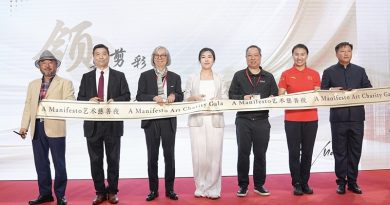
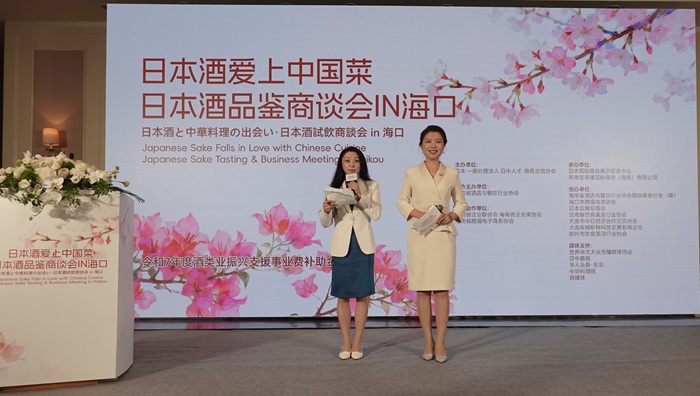
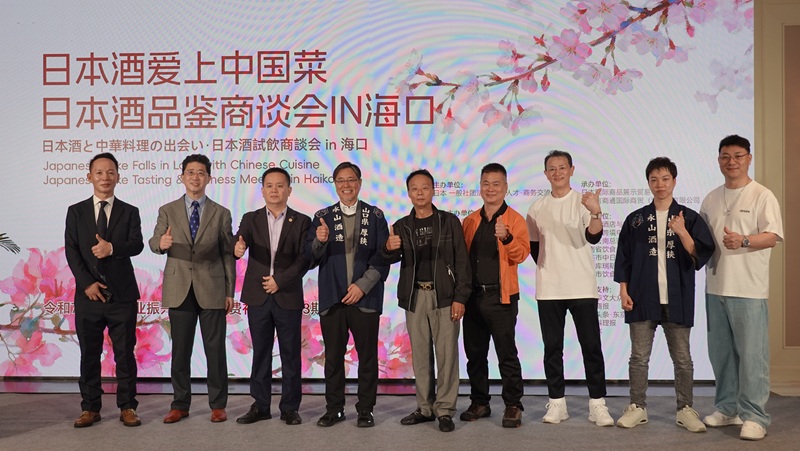
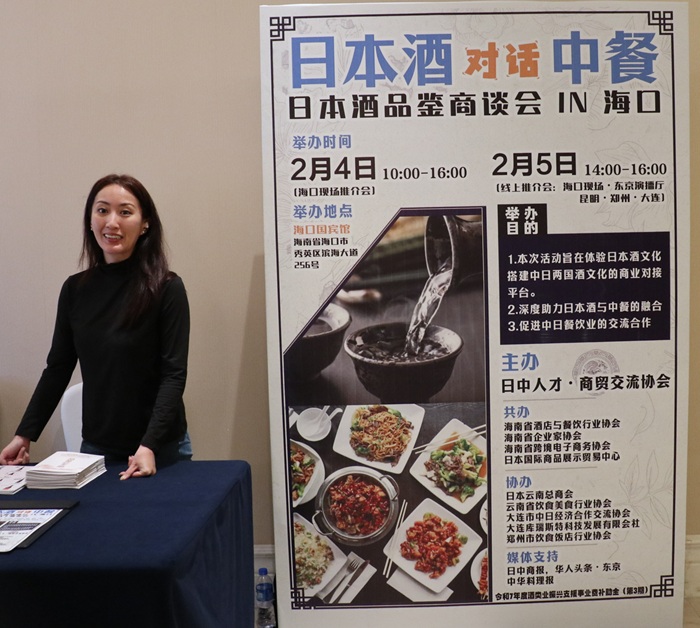
Haikou, Hainan, China, January 5, 2026 – Shaoren Gou, World Chinese Media – A gentle coconut breeze drifted through the air as ocean waves whispered nearby. In early February, at the threshold between winter and spring, Haikou welcomed a meeting of flavors that crossed seas and cultures. From February 4 to 5, the “Sake Meets Chinese Cuisine – Japanese Sake Tasting and Business Exchange Event” was held at Haikou State Guest Hotel, where the aromas of sake and Chinese cuisine intertwined in the tropical sea breeze. Between raised glasses and shared dishes, this was not merely an encounter of tastes, but a tender dialogue of cultures and industries listening to and understanding one another.
The event was jointly organized by the Japan–China Talent & Business Exchange Association and the Hainan Hotel and Catering Industry Association, with strategic participation from the Hainan Enterprise Federation, Hainan Entrepreneurs Association, and the Hainan Cross-Border E-Commerce Association. It was hosted by the Hainan Japan Product Exhibition & Trading Center and Bridge International Trading (Hainan) Co., Ltd., and supported by the International Cuisine Branch (Preparatory) of the Hainan Hotel and Catering Industry Association, Haikou Cross-Border E-Commerce Association, Japan–Yunnan Chamber of Commerce, Yunnan Catering & Gourmet Industry Association, Dalian Sino-Japanese Economic Cooperation Exchange Association, Dalian Crest Technology Development Co., Ltd., and the Zhengzhou Catering and Hotel Industry Association, among others.
A Cross-Cultural Dialogue of Flavors Unfolds in Haikou
Japanese sake embodies restraint and depth, brewed from water, rice, and time. Chinese cuisine reflects abundance and inclusiveness, shaped by fire, craftsmanship, and the gifts of nature. These two Eastern culinary traditions met in Hainan—China’s frontier of opening-up—where flavors became a shared language.
Where Food and Drink Complete One Another as Civilizations
Leveraging the institutional innovations and geographic advantages of the Hainan Free Trade Port, including its “zero tariffs, low tax rates, and simplified tax system,” Hainan is accelerating its development as an international tourism and consumption center. It is also providing a freer, more accommodating stage for global culinary and cultural exchange.
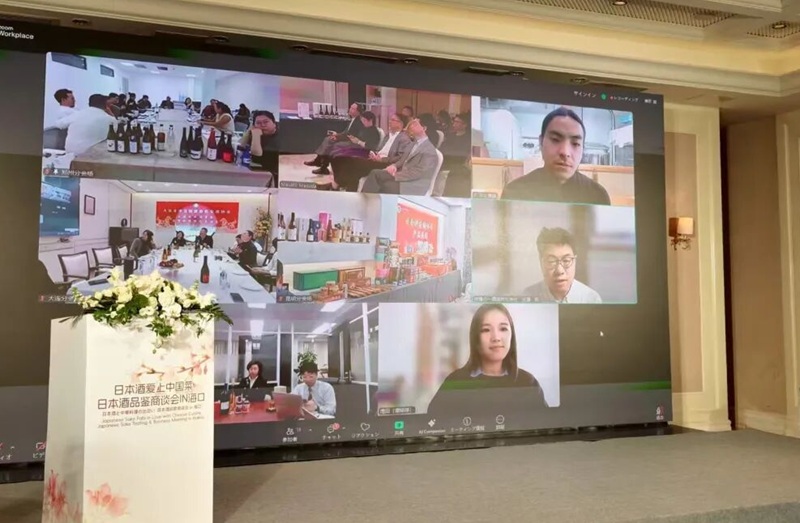
Under the theme “Culinary Harmony, Cultural Exchange, Shared Opportunities,” the event created a high-end platform integrating cultural experience, industry dialogue, and commercial cooperation. The offline main session officially opened on February 4 at the Haikou State Guest Hotel, followed on February 5 by online sub-venues connecting Tokyo, Kunming, Zhengzhou, and Dalian, allowing the refined clarity of sake and the warmth of Chinese cuisine to resonate across a wider landscape.
One Cup of Sake, Connecting Hainan with the World
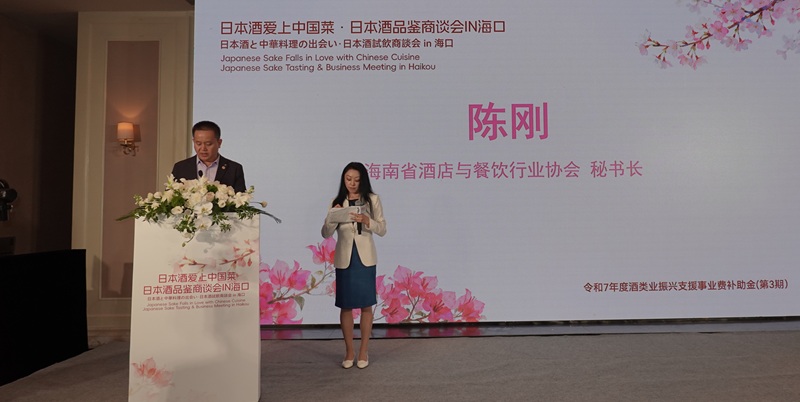
In his opening remarks, Chen Gang, Executive Vice President and Secretary-General of the Hainan Hotel and Catering Industry Association, said:
“With coconut breezes bringing warmth and ocean waves welcoming our guests, we gather today in sunny Hainan to witness the opening of ‘Sake Meets Chinese Cuisine.’ This is a dialogue of flavors across seas, and an industry gathering rooted in Hainan that connects China and Japan.”
He noted that the delicate richness of Japanese sake and the profound diversity of Chinese cuisine met here not only to delight the palate, but also to spark new possibilities for cooperation, adding a vivid chapter to the international development of Hainan’s catering industry.
Chen further emphasized that the policy advantages of the Free Trade Port provide unprecedented convenience for the display, trade, and market entry of global food and beverage products. He expressed the hope that Japanese partners would see Hainan not only as a tourist destination, but also as fertile ground for investment and cooperation.
Using Sake as a Medium to Tell the Story of Time
Nobutaka Seki, Representative Director of the Japan–China Talent & Business Exchange Association, reflected on the association’s four-year journey since entering Haikou and expressed gratitude to the Hainan Hotel and Catering Industry Association and the Haikou Cross-Border E-Commerce Association for their long-standing support.
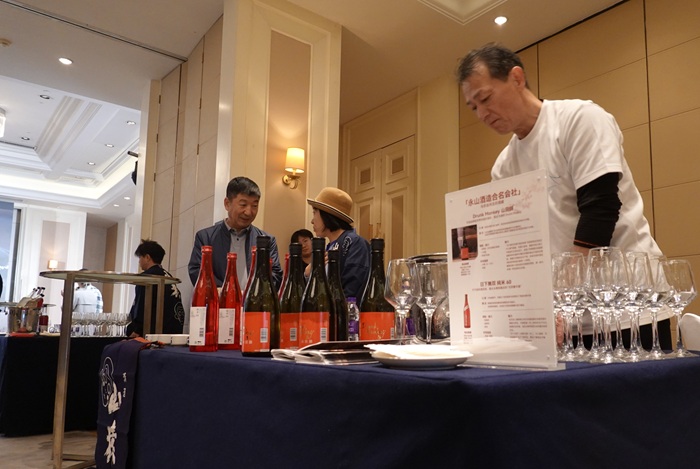
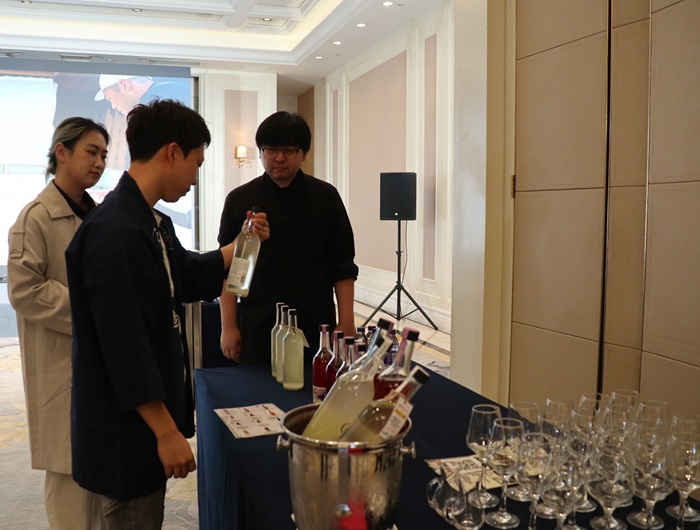
He noted that the Japanese Pavilion established in Haikou now showcases premium Japanese sake, apparel, and cultural artworks. This event featured a curated selection of 11 sake labels from six breweries, carefully matched with Chinese seafood, meat, and vegetable dishes, aiming to deepen cooperation between the Chinese and Japanese catering industries through culinary pairing.
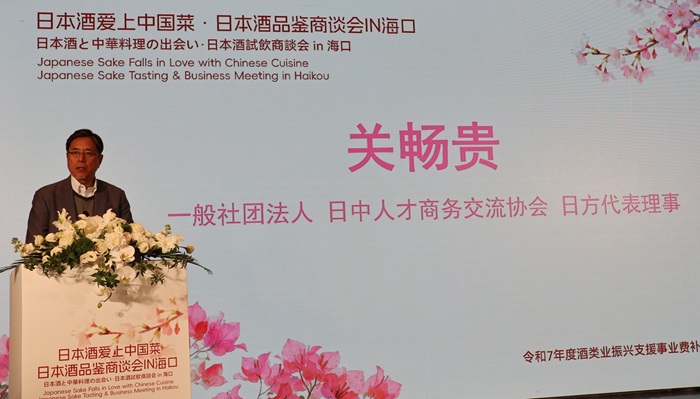
Voices from the front lines of Japanese brewing were equally sincere. Nobutsugu Kusaka, Manufacturing Director of Nagayama Shuzo Limited Partnership, spoke on behalf of the participating breweries, introducing premium offerings from Nagayama Shuzo in Yamaguchi Prefecture and Onagawa Brewery in Akita Prefecture, among others. He expressed hope that tastings such as this would deepen understanding of Japanese sake among Chinese partners and open broader avenues for cooperation amid the open and efficient trade environment of the Hainan Free Trade Port.
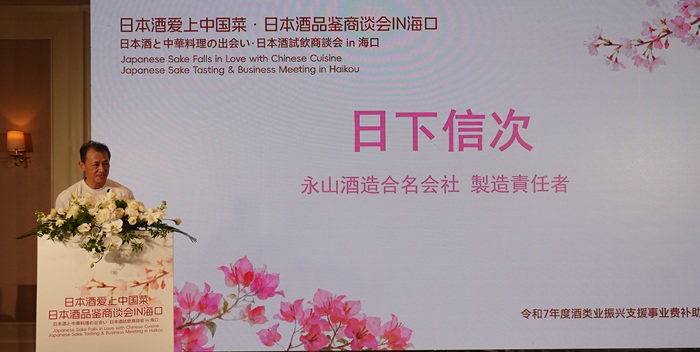
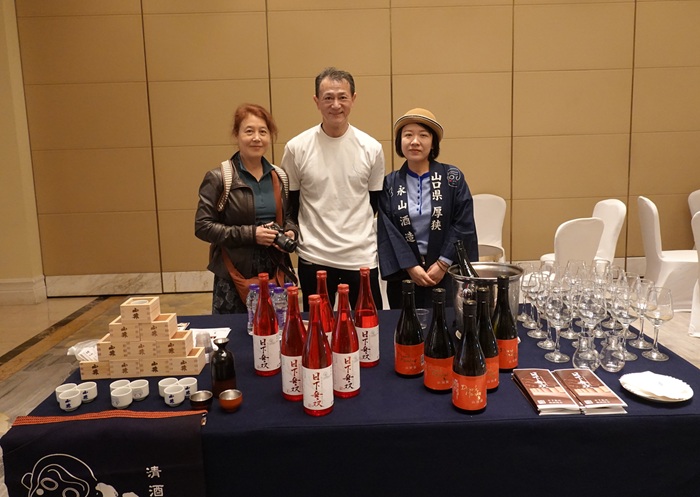
In an interview with the press, Kusaka emphasized that all sake products exhibited at the event contained no additives whatsoever, brewed solely from specialty rice, natural water, and various natural fruits. He noted that this commitment preserves the authentic character of the ingredients and terroir, reflecting the long-held dedication of Japanese sake brewing to purity and quality.
Poetic Names, Expressive Flavors
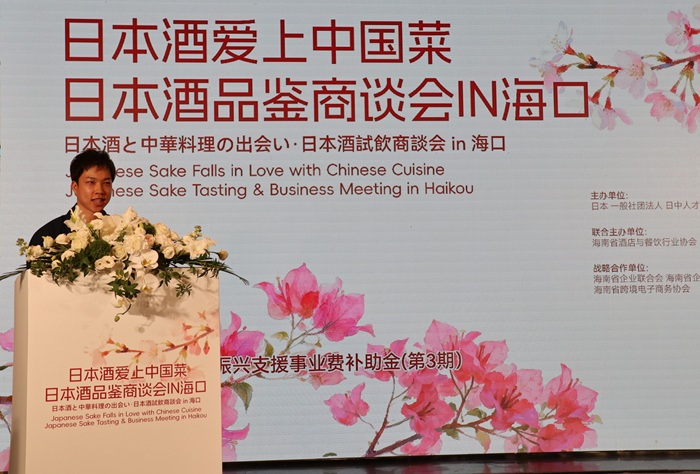
Across both sessions, the 11 featured sake labels spanned a wide range of styles, pairing harmoniously with diverse Chinese dishes. Masato Masuda, CEO of IW Corporation, introduced each participating brewery and its products with gentle humor:
“I am the weakest drinker among sake sommeliers,” he joked, “but our philosophy is ‘harmony above all, brewing good sake.’ This event aims to create a harmonious and joyful atmosphere through pairing sake with Chinese cuisine.”
Masuda shared his personal story of meeting his wife from Dalian through the shared appreciation of sake and Chinese food, expressing hope that the event would serve as a bridge connecting cuisine, fine drinks, and friendship.
The sake lineup unfolded like a moving poem:
Nagayama Shuzo’s “Yamazaru Drunk Monkey” Junmai Daiginjo, brewed with Yamada Nishiki rice from Yamaguchi, offered rich rice aromas ideal for seafood, while “Kusaka Muso Junmai 60”, using dual yeast fermentation, delivered a clean rice profile that complemented meat dishes.
Sekinoichi Brewery’s “Sekinoichi” Junmai Daiginjo earned double gold awards with its lush fruit aromas, while its Tokubetsu Junmai won platinum for its gentle freshness suited to everyday cuisine.
Adachi Farm Brewery’s “MIYOI Lychee” delivered sweet fruit notes, and “Danchi to Aodeng” blended berries and vanilla at a low alcohol level ideal for light dishes.
Tenshō Brewery’s “On a Certain Cold Night” featured crisp lemon notes perfect with cold appetizers.
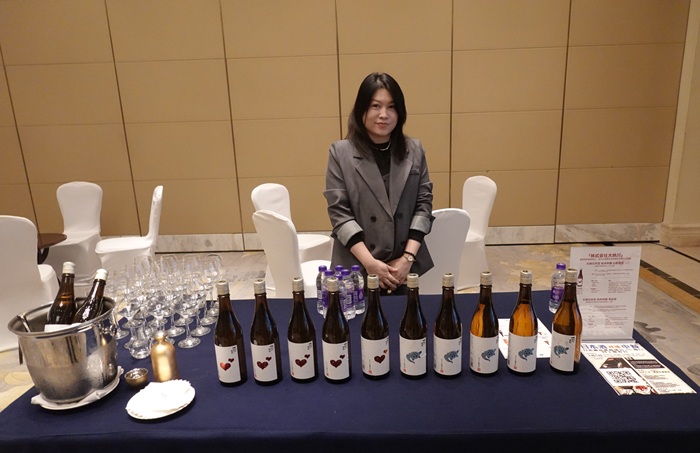
Onagawa Brewery’s “Tenka” series ranged from sweet, heart-labeled bottles to rich rice-forward turtle-label editions, while Shiwa Shuzo’s “Shisora” series offered both crisp, snow-themed styles and light, melodic profiles suitable for diverse dishes.
Extending the Exchange Online
On February 5, the online sessions continued the momentum. Seki again addressed participants from Kunming, Dalian, and Zhengzhou, noting that identical sake selections had been shipped to each venue to ensure an authentic and synchronized tasting experience.
Ding Yiyu, Representative of the Japan–Yunnan Chamber of Commerce, expressed hope that sake and cuisine would serve as a bond connecting Japanese sake culture with Yunnan gastronomy, fostering resource integration and industrial collaboration.
Xu Chaofa, President of the Dalian Sino-Japanese Economic Cooperation Exchange Association, noted that the association has hosted nearly 400 exchange activities over the past 13 years, with many Japanese sake brands already entering the Dalian market. He welcomed Japanese sake entrepreneurs to visit Dalian as a gateway to Northeast China.
Liu Bin, Secretary-General of the Zhengzhou Catering and Hotel Industry Association, congratulated the event and extended an invitation for Japanese sake companies to explore cooperation opportunities in Henan and Zhengzhou.
Closing: Making Integration Part of Everyday Life
Using “fine sake + fine cuisine” as its medium, this gathering in Hainan delivered a distinctive sensory experience while creating valuable opportunities for face-to-face dialogue and collaboration. Supported by the policies of the Hainan Free Trade Port, the integration of Japanese sake and Chinese cuisine has moved beyond imagination, taking root in markets, cultural exchange, and lasting friendships.
As the final glass of sake was gently set down in the Haikou night, the ocean breeze continued its soft refrain—reminding all present that what truly lingers is not merely the aroma of the drink, but the enduring resonance born of mutual understanding.
Photos: Lisa Ma