From Manchester to Toronto: A Rainy Evening of Alumni Memories
By Shaoren Gou, Ph.D., M.Ed.
Editor-in-Chief
World Chinese Media
www.worldchinesemedia.com
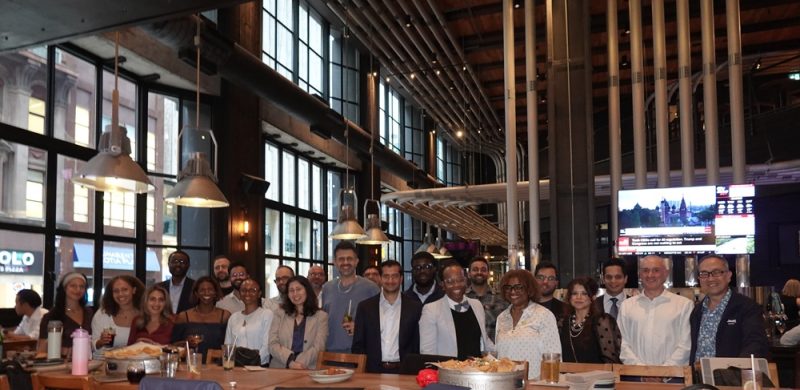
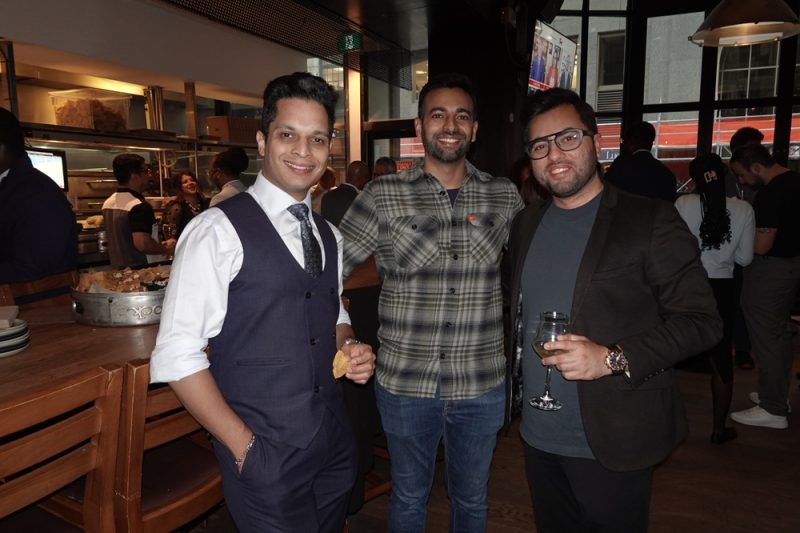
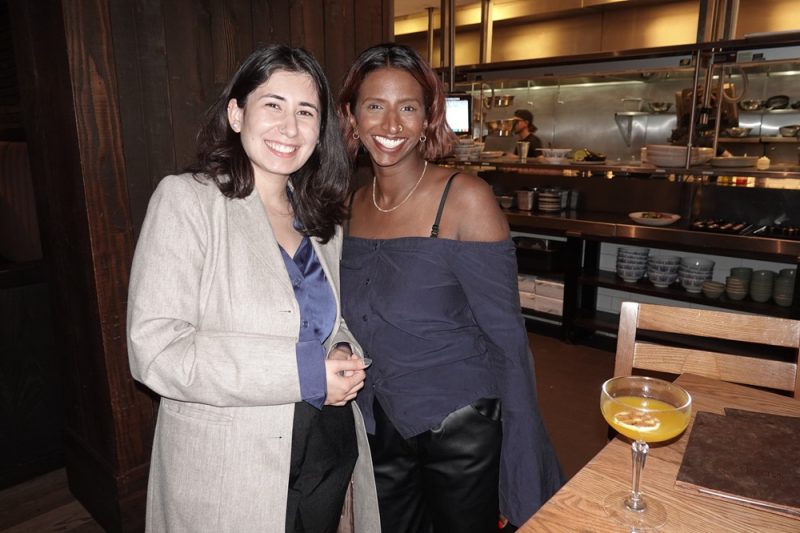
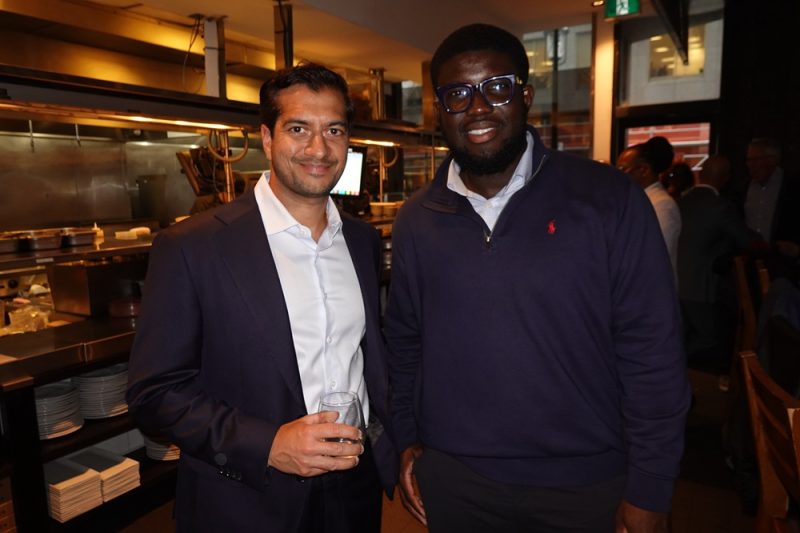
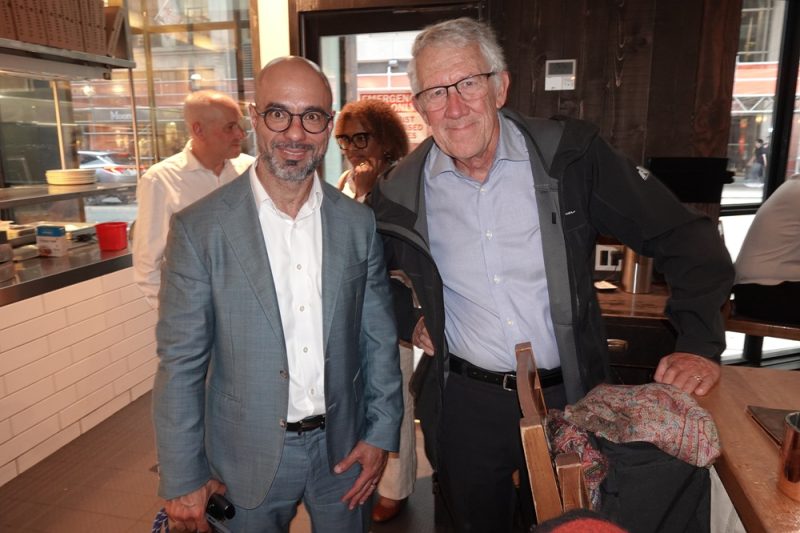
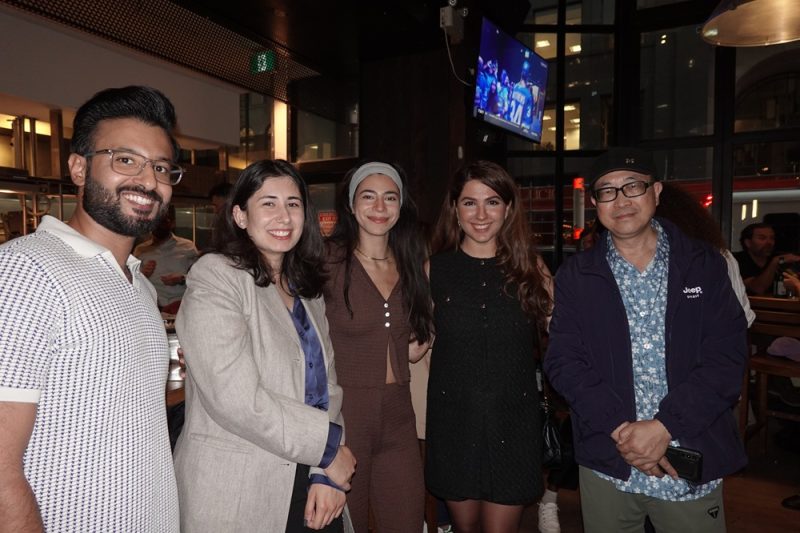
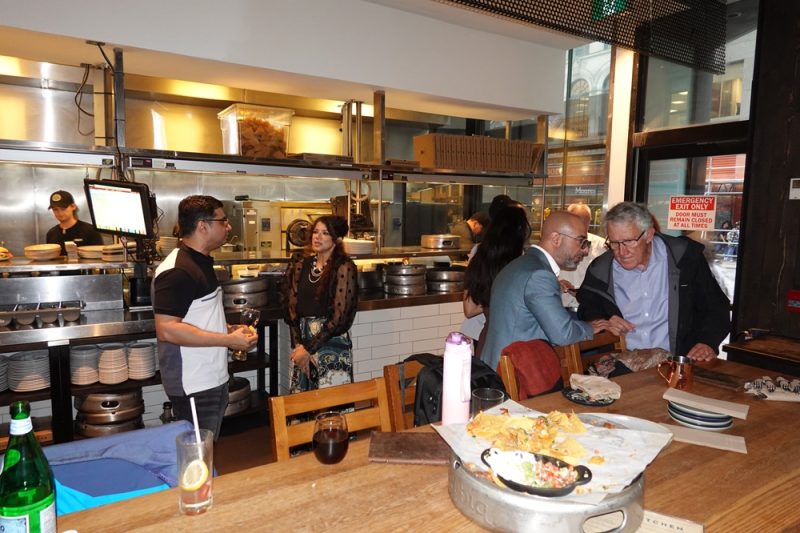
A light rain was falling over downtown Toronto on the evening of 15 September 2026. In the heart of the city’s bustling Financial District, however, the atmosphere inside CRAFT Toronto was warm and welcoming as graduates of the University of Manchester gathered to renew old connections and form new friendships.
The Toronto Alumni Gathering took place from 5:00 to 7:00 p.m. at CRAFT Toronto, located at 1 Adelaide Street East, near the intersection of Yonge and Adelaide streets.
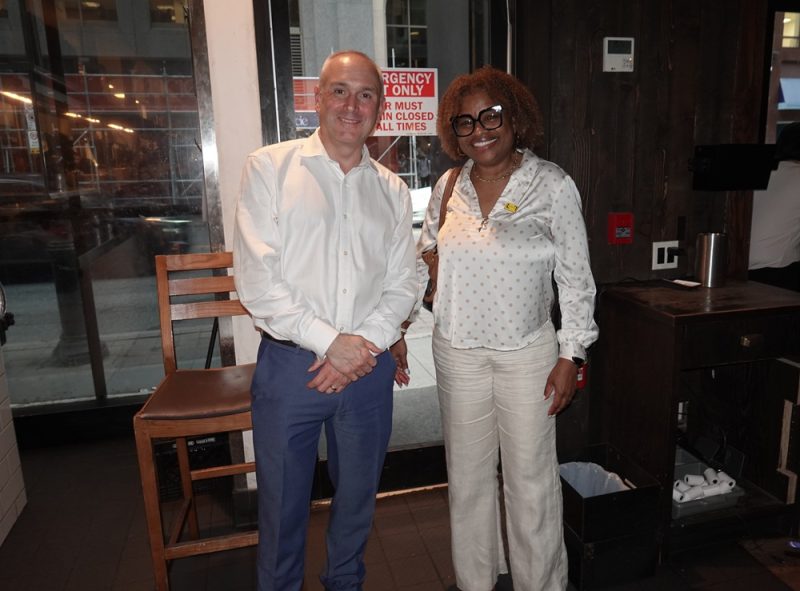
Dale Cooper, Deputy Director of Global Philanthropy at the University of Manchester, travelled directly from Manchester to Toronto to represent the University and meet alumni living and working in Canada. His presence made the University feel closer, despite the thousands of kilometres separating Toronto from Manchester.
As conversations unfolded, I was struck by the remarkable diversity of the group. Manchester alumni in Toronto work in banking, investment, telecommunications, healthcare and pharmacy, manufacturing, marketing, media, retail and fitness. Some work for major Canadian financial institutions, including the Royal Bank of Canada, Bank of Montreal and Scotiabank, while others have built careers with investment firms and major companies such as Bell, Canadian Tire and Loblaw Companies Limited.
Our professional paths may be different, but we share an experience that immediately connects us: we are all members of the University of Manchester community.
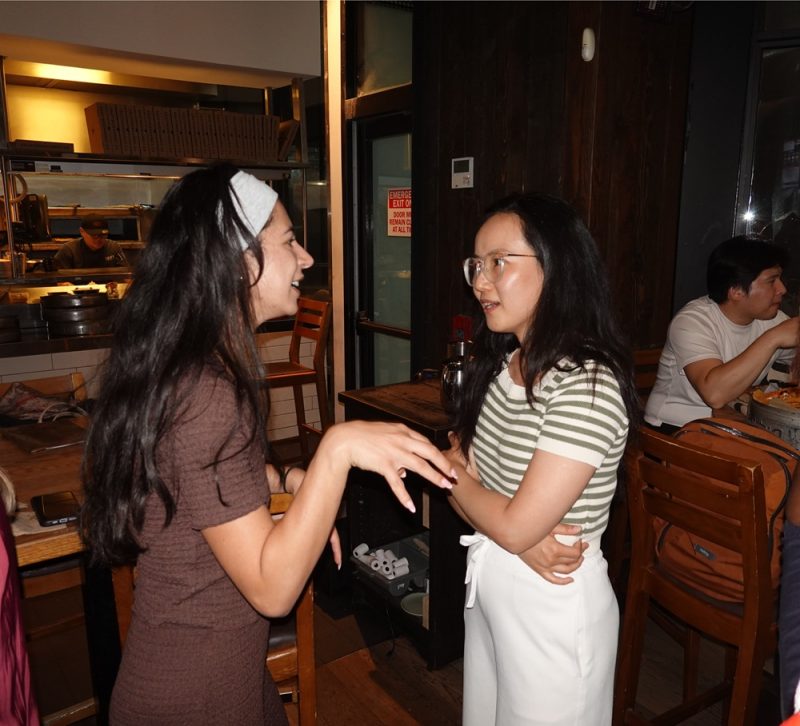
Like the University itself, its Toronto alumni community is international and multicultural. Those attending had roots in Africa, Asia, Europe and the Americas. We had studied different subjects, graduated in different years and followed very different paths after leaving the University. Yet once the conversations began, the distance between strangers quickly disappeared.
Among those at tonight’s gathering, I may have been the alumnus whose time at Manchester went back the furthest.
My own Manchester story began in July 1994, when I arrived in the city to study English at Educare College. In September 1995, I entered the University of Manchester’s English Language Teaching Centre to study academic English.
In September 1996, I began my master’s programme at the University’s School of Education, then based in the Humanities Building—now known as the Ellen Wilkinson Building. I submitted my dissertation in December 1997 and graduated in 1998 with a Master of Education degree in Education and the Mass Media.
I remember that, at the time, the University of Manchester’s School of Education was recognised for its research excellence, with a research rating of 5—the highest grade awarded under the 1992 UK Research Assessment Exercise.
Our M.Ed. class in Education and the Mass Media consisted of approximately 12 students from the United Kingdom, mainland China, Taiwan, South Korea, Thailand, Indonesia, Zimbabwe, Malawi and Greece. Most of us came from two broad professional backgrounds: the media and government service. The small size of the class encouraged close discussion, while the diversity of our countries, cultures and professional experiences brought a genuinely international perspective to the study of education and mass media.
From the warm and encouraging English teachers at both Educare College and the University of Manchester’s English Language Teaching Centre to the distinguished professors who later guided my university studies, I was fortunate to experience the very best of Manchester’s educational tradition. Within the classrooms of the Humanities Building, I witnessed first-hand the exceptional teaching expertise, academic rigour and intellectual generosity of the School of Education’s faculty.
Their influence extended far beyond the classroom. They taught me how to think critically, approach education from an international perspective and understand the profound relationship between education, the media and society. Manchester was not simply a place where I acquired knowledge; it reshaped the way I saw the world.
The academic and cultural atmosphere of the University blended naturally with the distinctive character of Manchester itself. The University and the city complemented and enriched one another: the intellectual energy of the campus reflected the creativity, diversity and openness of the city, while Manchester’s cultural life gave our education a meaning that extended far beyond the classroom.
Walking along Manchester’s brick-and-stone pavements, I often felt the presence of history beneath my feet. The old streets, weathered buildings and changing northern light gave the city a quiet sense of age. Every walk seemed to carry echoes of the generations who had lived, studied and worked there before us.
The canals winding through the city, particularly around Castlefield, added another layer to Manchester’s historic character. Their still waters reflected old brick warehouses and railway arches, preserving quiet traces of the city’s industrial past.
I also treasure my memories of Manchester Central Library and Manchester Museum—places of knowledge, history and culture that enriched my intellectual life and deepened my understanding of the wider world. At Chetham’s Library, the city’s intellectual heritage reached even further back: Karl Marx and Friedrich Engels once studied there together, consulting works that helped shape the ideas expressed in their later writings.
Friday and Saturday evenings offered students a welcome opportunity to set aside the pressures of study and enjoy the city’s lively nightlife. A classic weekend outing with my classmates was a “Smart Night” at Discotheque Royales on Peter Street, where the strict door staff checked our shoes at the entrance to make sure we met the dress code. I still remember Manchester’s Chinatown, the bustling shops along Deansgate, and the friendly and efficient service I received at National Westminster Bank, which made everyday life easier for an international student.
These seemingly ordinary places and experiences became part of my education in a broader sense. They helped me understand the city, encounter different cultures and gradually feel at home in a place far from my own country.
Above all, I miss the teachers who guided and encouraged me throughout those formative years. I remember my English teachers Esther, who was Welsh, and Chris, as well as several teachers who, memorably, were all named Susan. At the University of Manchester, I also remember Sue, one of my teachers and the programme coordinator for the M.Ed. in Education and the Mass Media. Her guidance became an important part of my academic experience.
I also remember with deep affection my English landlady, Catherine, who had served as a nurse during the Second World War. She carried memories of a period of history that I had previously encountered only in books, but her kindness, resilience and quiet dignity made that history deeply human.
Nearly every weekend, Catherine would ask John—a young Scotsman of my own age who also rented a room in her house—to drive us along local roads to explore the picturesque English countryside and its small towns. Those unhurried journeys allowed me to discover a quieter and more intimate side of England beyond the walls of the university, and became some of my warmest memories of those years.
For an international student living far from home, Catherine’s care brought warmth to an unfamiliar city. Through my teachers and my landlady, I came to know Britain not only through its universities and institutions, but also through the generosity, courage and humanity of its people. Their faces and voices remain among my most treasured memories of Manchester.
Looking back, I remember Manchester not only through lecture rooms, books and academic discussions, but also through its streets, shops, restaurants and weekend evenings. Together, the University and the city created an intellectual and cultural experience that became the first important chapter of my international life.
In January 1998, I began studying for a PhD in Mass Communication at the University of Leicester’s Centre for Mass Communication Research. I continued my doctoral studies until 2004, bringing to a close a 10-year period of study in the United Kingdom that had begun in Manchester in 1994.
Manchester was also where the direction of my life began to change. While studying at the University, I completed my application to immigrate to Canada. In 1998, the same year in which I graduated from Manchester, I formally immigrated to Toronto. I nevertheless continued my doctoral studies at the University of Leicester and completed my PhD in 2004.
From Manchester to Leicester and then Toronto, those years became the foundation of an international life connecting education, mass communication, journalism and cross-cultural exchange. Nearly three decades later, Manchester’s influence remains deeply present in both my professional work and personal life.
At the Toronto gathering, the youngest alumnus present represented another stage of the same journey. Having recently completed studies at Manchester, the graduate will return to the University this December to attend the graduation ceremony.
One of us had graduated nearly three decades earlier, while another was still looking forward to crossing the stage at graduation. That contrast gave the evening a special sense of continuity. Different generations were meeting in the same room, connected by the same University and by memories that were still being created.
The University of Manchester’s story reaches back to the height of the Industrial Revolution. The Manchester Mechanics’ Institution was founded in 1824 as part of a national movement to provide education for working people. As the demand for technical education grew, John Henry Reynolds transformed the institution into the Manchester Technical School in 1883.
Another part of the University’s history began with a legacy left by the industrialist John Owens, which led to the establishment of Owens College in 1851. By the 1860s, the College had broadened its vision, emphasizing not only the transmission of knowledge but also its creation. The John Owens Building, designed by Alfred Waterhouse, was completed in 1873. In 1880, Owens College became the first constituent college of the Victoria University, England’s first civic university.
The technical institution later became the University of Manchester Institute of Science and Technology, widely known as UMIST. In 2004, UMIST and the Victoria University of Manchester came together to form the present University of Manchester.
Born in a city of industry, innovation and social transformation, the University has carried its commitment to education, research and public service far beyond Manchester. Its graduates have taken that spirit into cities and communities around the world, including Toronto.
The venue for our gathering also had a story of its own. Inspired by Portland’s vibrant craft beer culture, CRAFT founder PJ L’Heureux set out to make craft beer more accessible to Canadians. The first CRAFT location opened in Calgary’s historic downtown in 2011. Since then, the business has expanded across Canada and into the United States.
With a 250-seat beer garden tucked away within its courtyard, CRAFT Toronto offers an urban oasis among the towers of the Financial District. Its guiding phrase, “Built on Stories, Poured with Purpose,” seemed particularly appropriate tonight.
Drinks were poured, but it was our stories—from classrooms and careers to migration and new beginnings—that gave the gathering its true meaning.
As I listened to the conversations around me, memories of Manchester gradually returned: the historic arches and courtyards of the Old Quadrangle, the dignity of Whitworth Hall, the long hours spent reading and writing in the Main Library, and the cathedral-like beauty of the John Rylands Library.
These buildings were more than part of the University’s architecture. They formed the physical landscape of our intellectual lives and preserved the memories of our student years.
Time had carried all of us into different professions, cities and countries, yet a conversation about Manchester could bring those years back almost instantly.
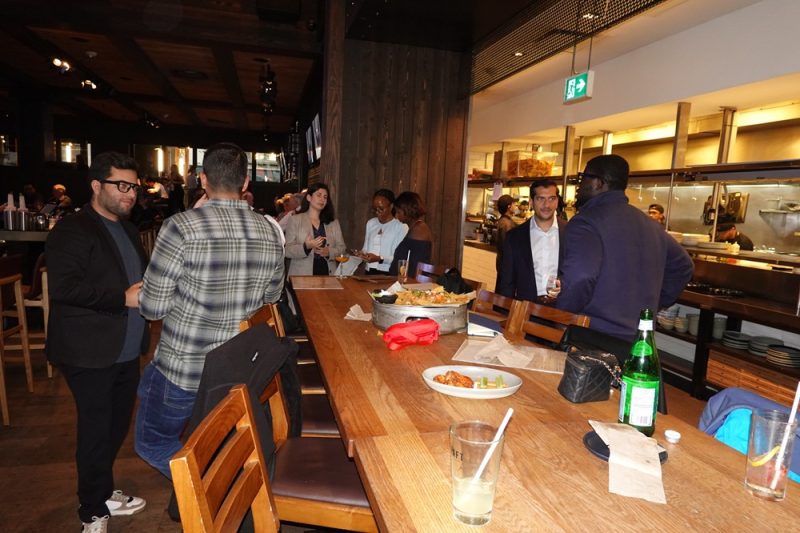
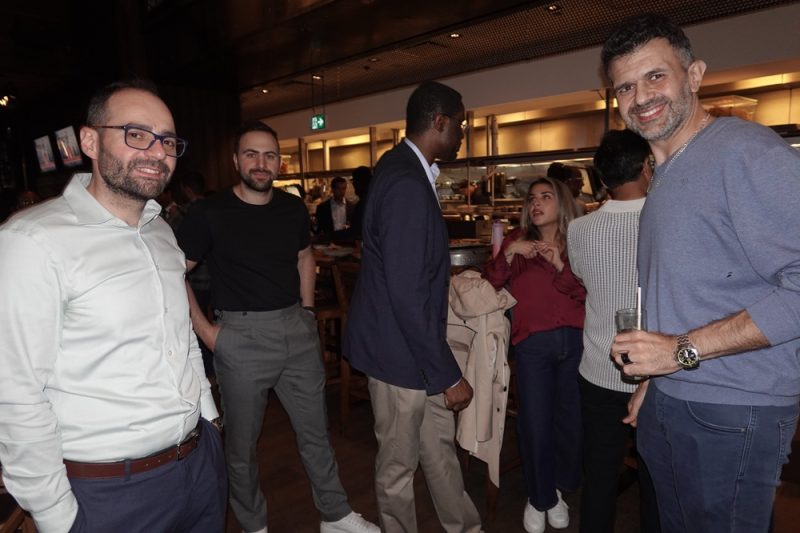
As alumni introduced themselves, every introduction opened the door to another story. We spoke about our studies, our work and the journeys that had brought us to Canada. Although many of us were meeting for the first time, our shared identity as Manchester graduates made the atmosphere friendly and familiar.
Hassaan Siddiq captured the spirit of the evening in a message following the gathering:
“Lovely meeting everyone today. It was a great event with even more wonderful people. It was so nice to relive those Mancunian memories!”
For each of us, the University of Manchester holds a special place in our hearts. We are proud to be Manchester graduates. To us, Manchester will always be the best—not simply because of its academic reputation, but because of the knowledge, friendships, opportunities and memories it has given us.
The University is more than the institution that awarded us our degrees. It is part of our personal histories and identities. Even after we have crossed oceans and built new lives in other countries, something of Manchester continues to travel with us.
The gathering’s scheduled end time of 7:00 p.m. came and went, but many people remained. Contact details were exchanged, and new friendships began to form. No one seemed eager to bring the evening to an end.
Outside, the September rain continued to fall softly over Toronto. Inside CRAFT, the atmosphere remained intimate and warm. For a few hours, it felt as though we had returned to our student days and rediscovered the Manchester we remembered.
We may have left the campus many years ago, but Manchester has never truly left us.